
A Journey Through Art History: A Guide to Major Art Movements
Art has evolved over centuries, reflecting the cultural, social, and political landscapes of its time.
Different periods have seen the rise of distinct art movements, each with its own unique characteristics and philosophies. Let’s embark on a journey through art history and explore some of the most influential art movements.
The Metropolitan Museum of Art, Here.
Impressionism: A Celebration of Light and Color
Impressionism, a pivotal movement in the late 19th century, revolutionized the way artists depicted the world. Inspired by the scientific study of optics, Impressionists sought to capture the fleeting effects of light and color.
Claude Monet, one of the movement’s leading figures, was renowned for his series paintings of water lilies, which explored the subtle nuances of light and reflection.
Edgar Degas, with his focus on capturing the mundane aspects of everyday life, brought a sense of realism to Impressionism, as seen in his ballet dancers and horse races.
Impressionists abandoned the traditional techniques of meticulous detail and shading, opting instead for loose brushstrokes and a focus on the overall impression created by the interplay of light and color.
Their emphasis on plein-air painting, or painting outdoors, allowed them to capture the immediacy and freshness of nature.
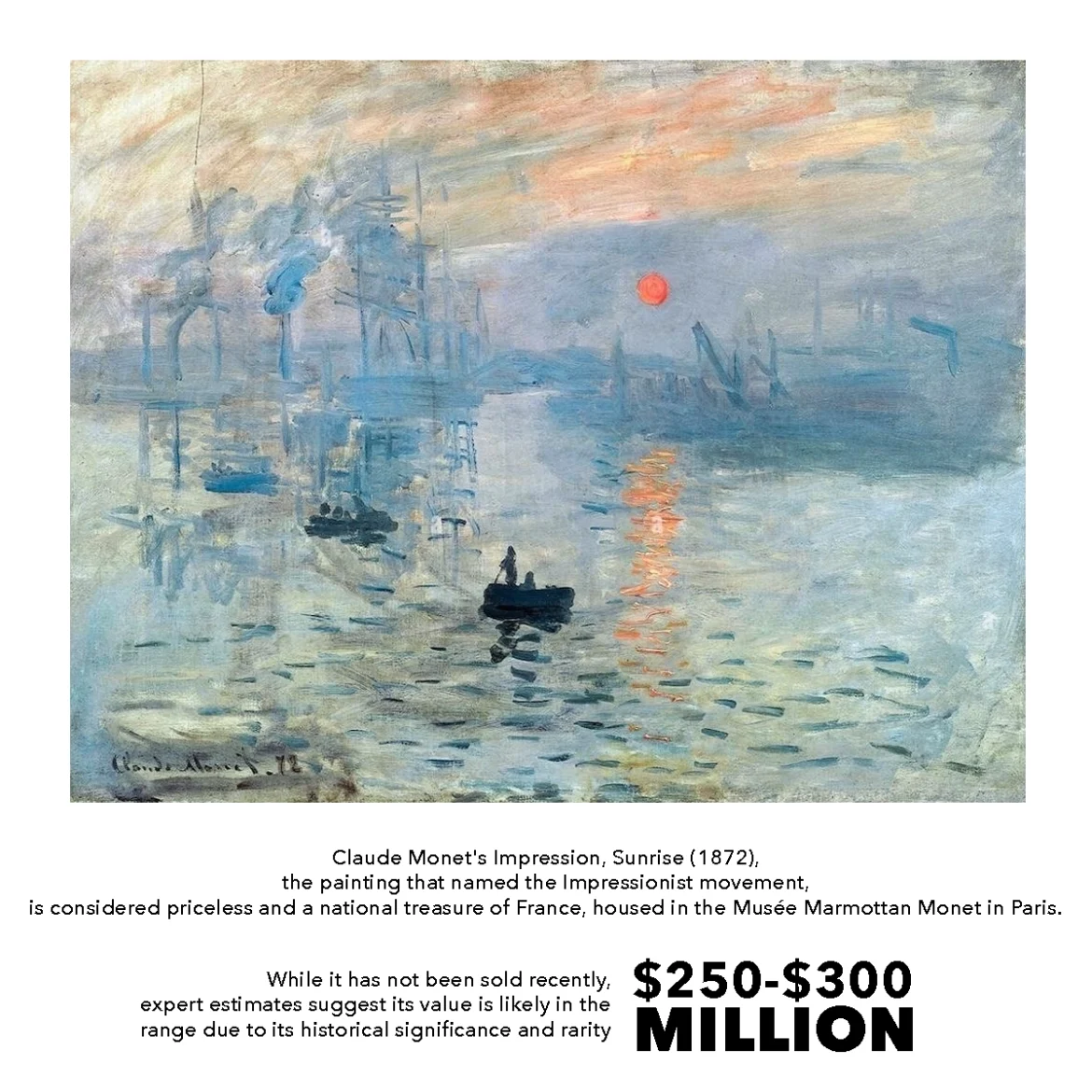
The Impressionists’ commitment to capturing the essence of a moment rather than a realistic representation had a profound influence on subsequent art movements.
Abstract Expressionism: The Birth of American Modernism
Emerging in New York City in the 1940s and 1950s, Abstract Expressionism was a groundbreaking movement that marked the birth of American modernism.
Artists like Jackson Pollock, Mark Rothko, and Willem de Kooning abandoned traditional representational forms in favor of non-objective, abstract compositions.
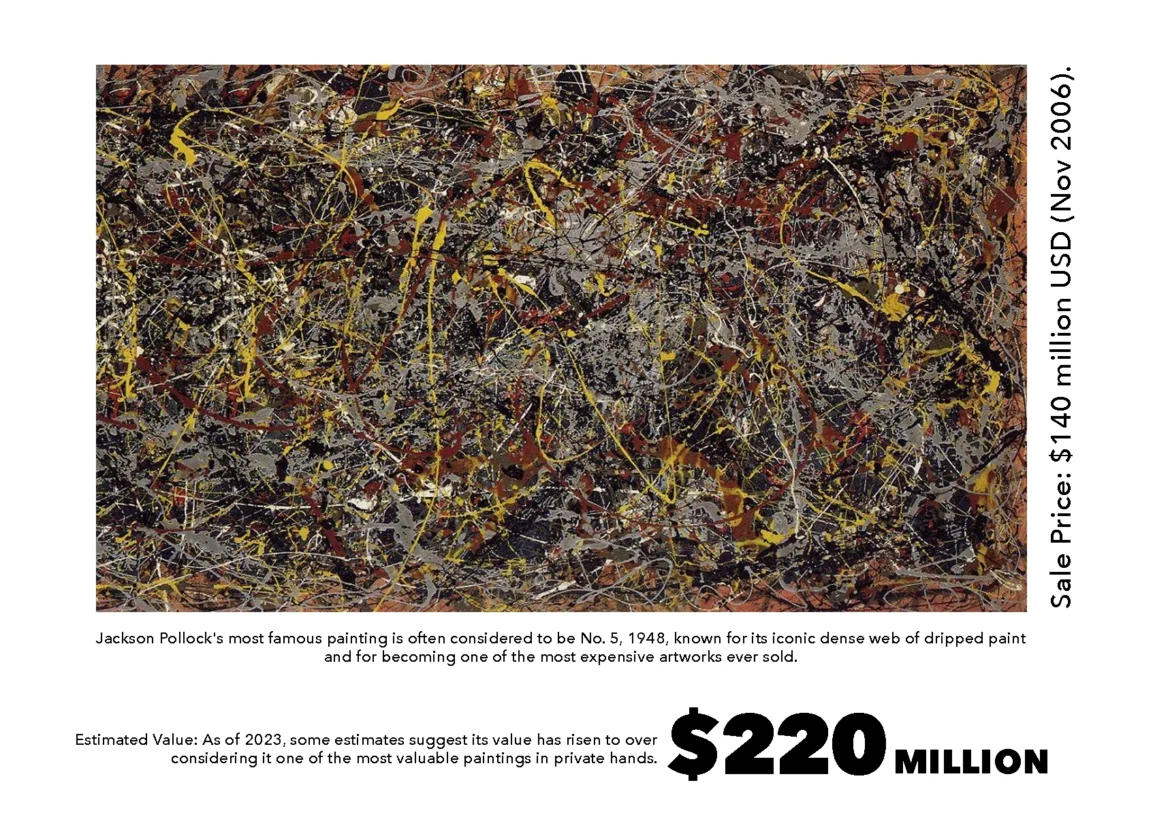
Pollock’s iconic drip paintings, created by pouring or dripping paint onto a canvas laid on the floor, challenged traditional notions of artistic technique and expression.
Rothko’s large-scale color field paintings, characterized by their soft-edged rectangular forms and luminous colors, evoked emotional responses in viewers.
De Kooning’s expressive and gestural style, often featuring distorted figures and bold colors, reflected the anxiety and turmoil of the post-war era.
Abstract Expressionism was a highly influential movement that had a lasting impact on the development of contemporary art.
Its emphasis on the artist’s emotional and psychological state, as well as its exploration of new techniques and materials, paved the way for future generations of artists.
Surrealism: A Journey into the Unconscious
Surrealism, a movement that originated in Europe in the 1920s, sought to tap into the unconscious mind and explore the realms of dreams and fantasy.
Inspired by Sigmund Freud’s theories of psychoanalysis, Surrealists aimed to liberate the imagination from the constraints of reason and logic.
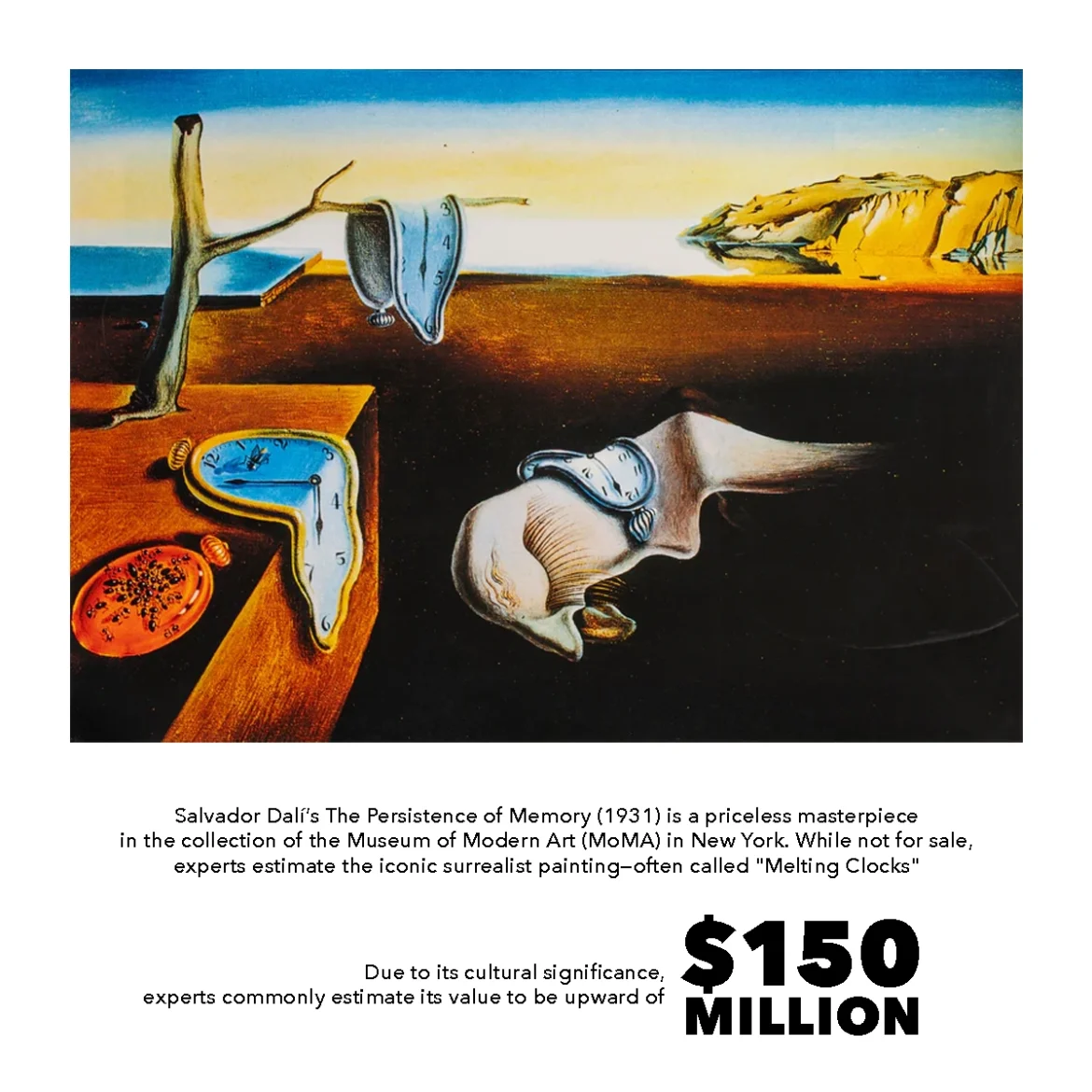
Salvador Dalí, one of the most famous Surrealists, used dreamlike imagery and symbolic objects to create enigmatic and often disturbing compositions.
His iconic painting “The Persistence of Memory” features melting clocks, a symbol of the fluidity of time and the unreliability of memory.
René Magritte’s works often featured ordinary objects placed in unexpected contexts, such as “The Treachery of Images,” which depicts a pipe with the caption “This is not a pipe.”
Surrealism had a profound influence on the development of art in the 20th century, inspiring artists to explore new territories of the imagination.
Its emphasis on the irrational and the dreamlike provided a counterpoint to the rational and realistic tendencies of other art movements.
Pop Art: A Celebration of Consumer Culture
Pop Art, which emerged in the 1950s and 1960s, was a movement that embraced the imagery of popular culture, advertising, and mass media.
Artists like Andy Warhol, Roy Lichtenstein, and James Rosenquist used bold colors, bright patterns, and comic-book-style techniques to celebrate consumerism and challenge traditional notions of high art.
Warhol, perhaps the most famous Pop artist, was known for his repetitive images of iconic figures like Marilyn Monroe and Campbell’s soup cans. more here
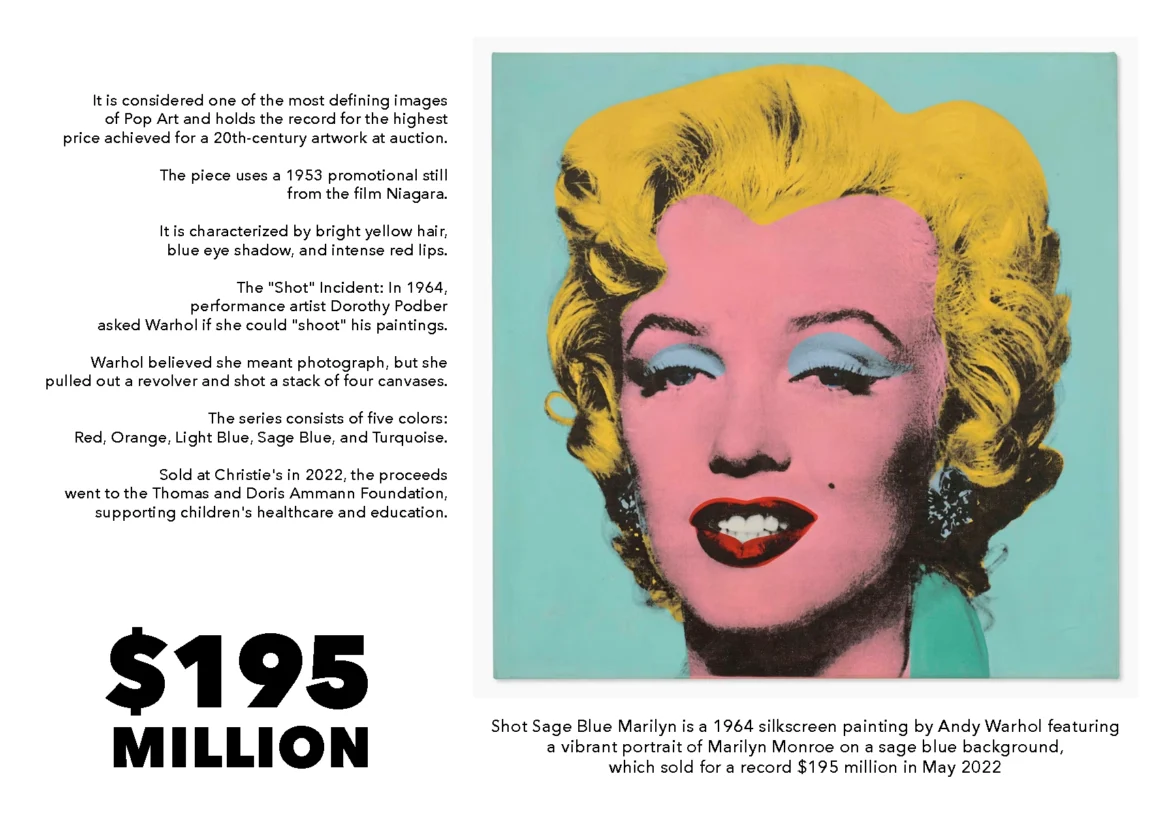
His work explored themes of celebrity, consumerism, and mortality. Lichtenstein’s paintings, based on comic strips and advertisements, incorporated Ben-Day dots and bold outlines to create a playful and ironic commentary on mass media.
Pop Art reflected the changing cultural landscape of the mid-20th century, as society became increasingly influenced by mass media and consumer culture.
The movement’s irreverent and often humorous approach to art challenged traditional notions of artistic value and paved the way for a new generation of artists.
Cubism: A Revolution in Perspective
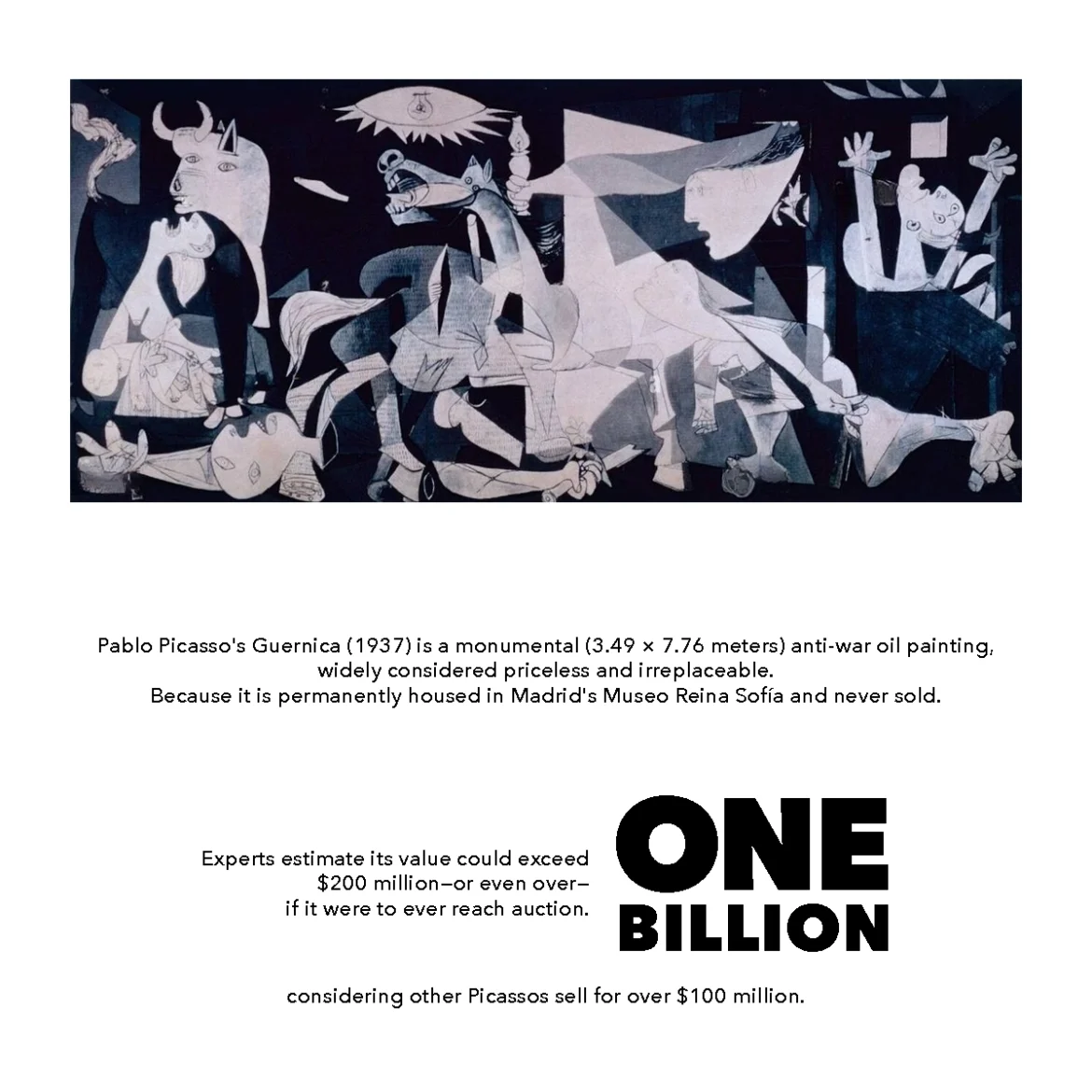
Cubism, developed by Pablo Picasso and Georges Braque in the early 20th century, was a revolutionary movement that challenged traditional notions of perspective and representation.
By breaking down objects into their component parts and viewing them from multiple perspectives, Cubists created fragmented and abstract compositions.
Picasso’s iconic painting “Les Demoiselles d’Avignon” is a seminal work of Cubism, featuring five women depicted in a fragmented and angular style.
Braque’s collages, which incorporated fragments of paper and other materials into his paintings, further explored the possibilities of Cubist form.
Cubism had a profound impact on the development of modern art, influencing artists such as Marcel Duchamp and Francis Picabia.
Its exploration of form, space, and perspective paved the way for future generations of artists to experiment with new ways of seeing and representing the world.
Other Notable Art Movements
In addition to the major movements discussed above, there are numerous other art movements that have made significant contributions to the history of art.
Fauvism, characterized by its use of bold, non-naturalistic colors and expressive brushwork, emerged in early 20th-century France.
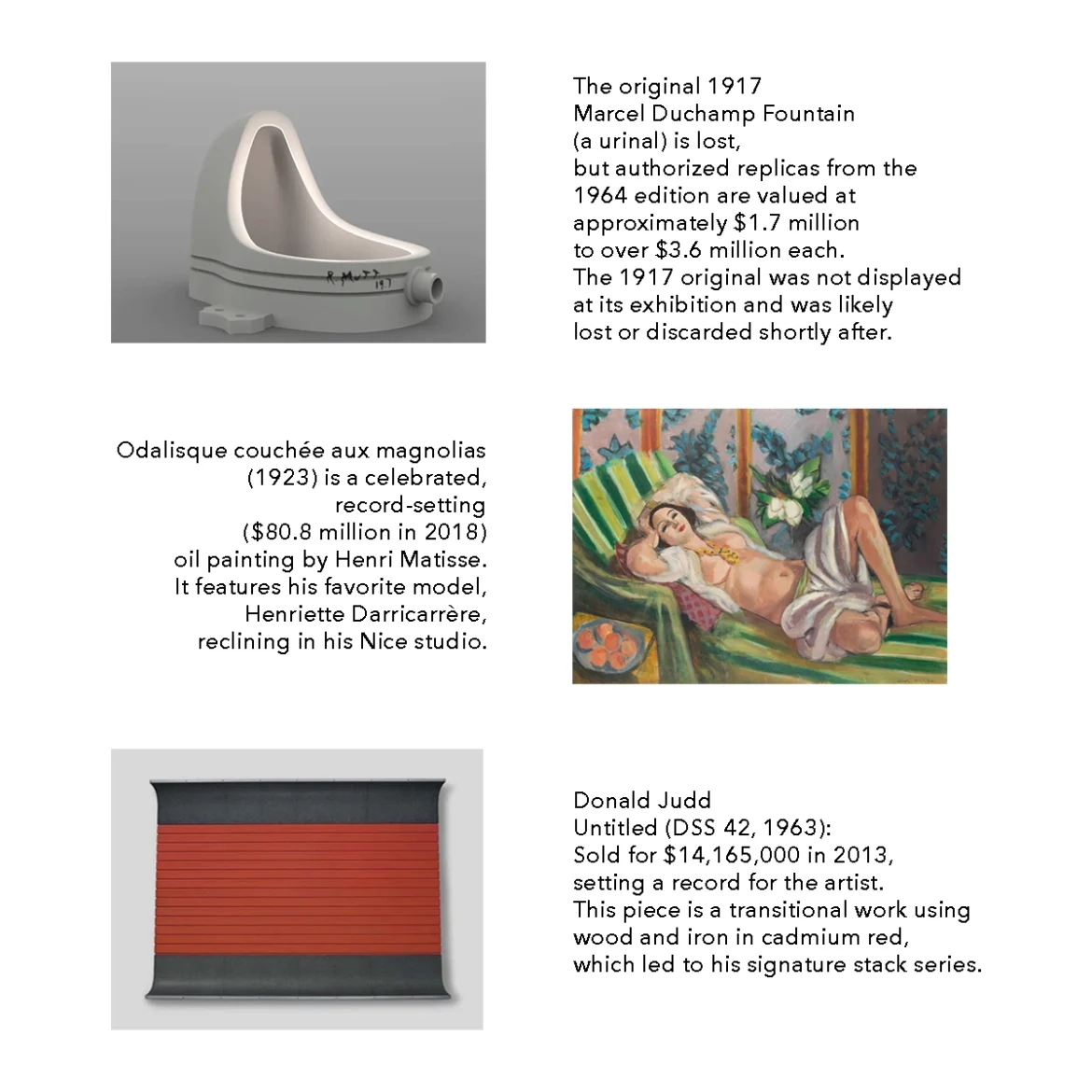
Dada, an anti-art movement that emerged during World War I, rejected traditional artistic values and embraced chaos and absurdity.
Minimalism, which gained prominence in the 1960s and 1970s, emphasized simplicity, reduction, and the use of primary colors and basic geometric forms.
A Journey Through Art History takes us across centuries of human expression—from the primal carvings of ancient civilizations to the bold abstractions of modern times.
Each era reflects its culture’s spirit, beliefs, and struggles, revealing how creativity evolves alongside society.
Through shifting styles and movements, we trace humanity’s endless pursuit to capture beauty, emotion, and meaning on canvas, stone, and beyond.
Conclusion:
Every art movement has left its own mark on the evolution of artistic expression, mirroring the cultural, social, and political landscapes of its era.
By studying these movements, we uncover a deeper appreciation for the vibrant mosaic of creativity that has shaped human history.
As A Journey Through Art History continues, we’re reminded that art remains an ever-evolving reflection of our shared humanity—one that challenges perspectives, sparks emotion, and continues to inspire generations.
What has been your favorite journey through art history?